The Art of Smart Snacking: Powering Your Weight Loss Journey with Low-Calorie Choices
In the pursuit of a healthier lifestyle and effective weight management, many people focus intensely on their main meals. While breakfast, lunch, and dinner are undeniably crucial, the often-overlooked realm of snacking can make or break your weight loss goals. Far from being a diet saboteur, strategic snacking, particularly with low calorie snacks for weight loss, can be a powerful ally, helping you manage hunger, maintain energy levels, and prevent overeating at subsequent meals.
The key lies in making smart, informed choices. Instead of reaching for processed, high-sugar, or high-fat options that offer fleeting satisfaction and empty calories, we can pivot towards nutrient-dense, filling snacks that support a caloric deficit without leaving us feeling deprived. This article will delve into practical strategies and delicious ideas to integrate effective low-calorie snacking into your daily routine, building on foundational concepts you might have encountered in low calorie snacks for weight loss - Article 1.
Delicious & Nutritious Low-Calorie Snack Ideas That Satisfy
When it comes to selecting low calorie snacks for weight loss, variety is your best friend. The more options you have that you genuinely enjoy, the easier it will be to stick to your plan. Here's a comprehensive look at categories and specific examples that hit the mark on both nutrition and flavor:
Fibre-Rich Fruits and Vegetables
These are the champions of volume eating. High in water and fibre, they fill you up with minimal calories.
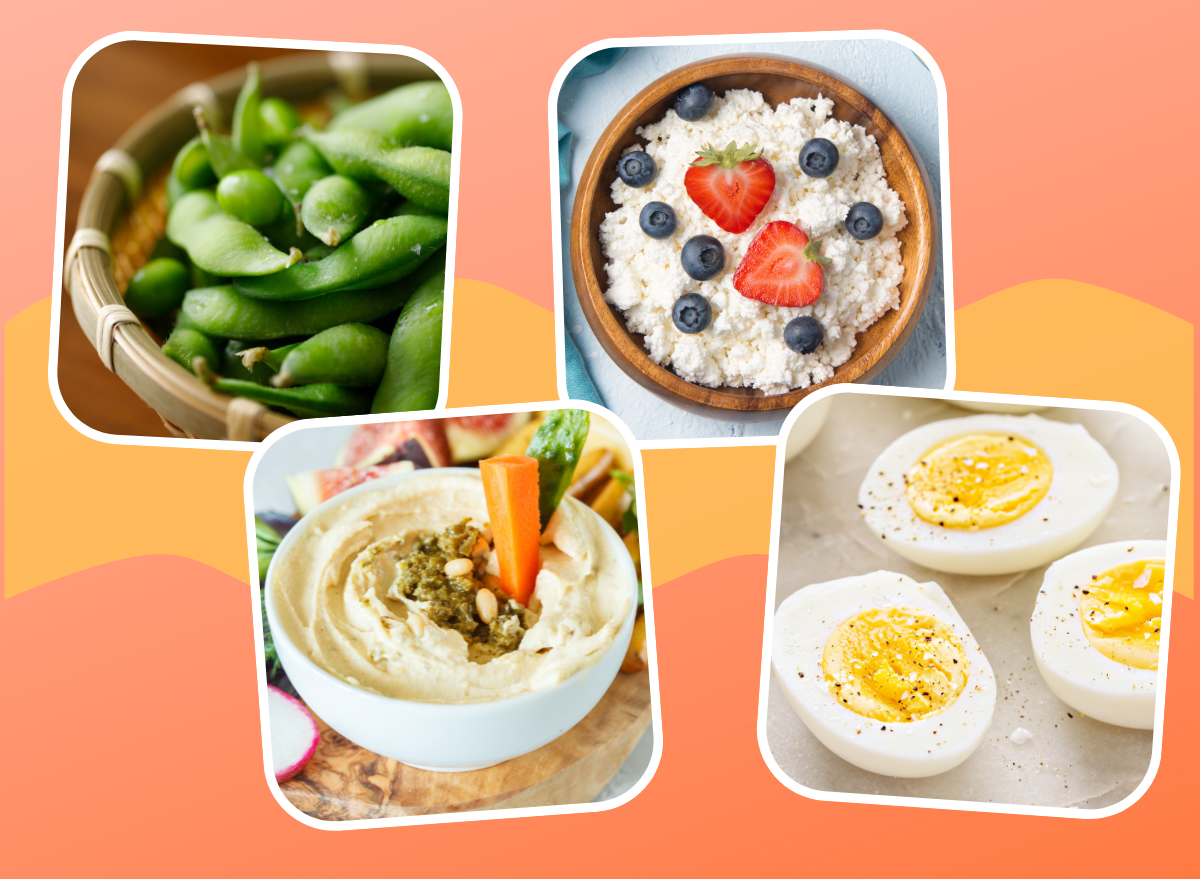
- Crisp Vegetables with Light Dip: Think carrot sticks, cucumber slices, bell pepper strips, or cherry tomatoes paired with a tablespoon of hummus (about 25 calories) or a light Greek yogurt dip. A cup of mixed raw veggies is often under 50 calories.
- Berries: Strawberries, blueberries, raspberries, and blackberries are packed with antioxidants and fibre. A generous cup of strawberries (around 50 calories) or half a cup of blueberries (40 calories) makes for a sweet, satisfying snack.
- Apple Slices: A medium apple contains about 95 calories and a good dose of fibre. Pair with a tiny dab of natural peanut butter (watch portion sizes here!) for healthy fats.
- Melon: Watermelon and cantaloupe are incredibly hydrating and low in calories. A large wedge of watermelon can be as low as 80-100 calories.
Protein-Packed Dairy and Eggs
Protein is vital for satiety, helping you feel fuller for longer and supporting muscle maintenance during weight loss.
- Greek Yogurt: Opt for plain, non-fat Greek yogurt. A 100g serving contains about 60 calories and 10g of protein. You can add a few berries for natural sweetness without extra sugar.
- Cottage Cheese: Half a cup of low-fat cottage cheese is around 80-100 calories and offers a substantial protein boost (around 12-14g). Top with a few slices of cucumber or cherry tomatoes.
- Hard-Boiled Eggs: An excellent grab-and-go protein source. One large hard-boiled egg is about 70 calories and provides 6g of protein.
- String Cheese/Cheese Sticks: A single low-fat string cheese stick is typically around 80 calories and provides calcium and protein, making it a convenient option among low calorie snacks for weight loss.
Wholesome Grains and Legumes (in moderation)
While often higher in calories, certain options can still fit into a low-calorie snacking plan when portioned carefully.
- Air-Popped Popcorn: Without butter or excessive oil, air-popped popcorn is a surprisingly voluminous and low-calorie snack. Three cups can be as little as 90 calories. Lightly season with herbs or a sprinkle of nutritional yeast for flavor.
- Rice Cakes: Plain rice cakes are very low in calories (around 35-40 per cake). Top with a thin spread of avocado, sliced cucumber, or a sprinkle of everything bagel seasoning for a light crunch.
- Edamame: Steamed edamame in the pod is a fantastic source of plant-based protein and fibre. Half a cup of shelled edamame is approximately 95 calories.
Remember, the goal is to choose snacks that provide nutritional value and contribute to your overall well-being, not just fill a void. For more advanced considerations around specialized diets or incorporating these ideas into a comprehensive meal plan, our upcoming low calorie snacks for weight loss - Article 3 will offer further insights.
Strategies for Mindful Snacking and Portion Control
Even the healthiest of low calorie snacks for weight loss can hinder progress if consumed mindlessly or in excessive quantities. Cultivating mindful snacking habits is just as important as choosing the right foods.
- Listen to Your Body: Before reaching for a snack, ask yourself: Am I truly hungry, or am I bored, stressed, or thirsty? Sometimes, a glass of water is all you need.
- Pre-Portion Everything: This is a golden rule. Don't eat directly from the bag or container. Measure out your portion into a small bowl or plate. This simple act drastically reduces the likelihood of overeating.
- Eat Slowly and Savor: Pay attention to the textures, flavors, and aromas of your snack. Eating mindfully allows your brain to register fullness signals more effectively.
- Eliminate Distractions: Avoid snacking while watching TV, working on the computer, or scrolling through your phone. These distractions can lead to unconscious overconsumption.
- Plan Ahead: Just like meals, plan your snacks. Know when you'll likely need one and what you'll have. This prevents impulsive, unhealthy choices. Keep a list of your favourite low calorie snacks for weight loss readily available.
- Read Labels: Always check the nutrition facts, especially for serving sizes and calorie counts, even for seemingly healthy packaged options.
Beyond the Calories: What Makes a Snack Truly Satisfying?
While calorie count is a primary consideration for weight loss, true satisfaction comes from a snack's overall composition. A handful of candy might be low in calories, but it won't keep you full for long. Here’s what to look for:
- High Fibre Content: Fibre adds bulk to food, slows digestion, and helps regulate blood sugar, leading to sustained fullness. Think fruits, vegetables, and whole grains.
- Adequate Protein: Protein is renowned for its satiety-inducing properties. It helps reduce hunger hormones and increases feelings of fullness. Include sources like Greek yogurt, eggs, cottage cheese, or a handful of nuts (again, careful with portions here).
- Healthy Fats (in moderation): While higher in calories, a small amount of healthy fats (e.g., a few almonds, a sliver of avocado) can contribute to satiety and nutrient absorption. The key is moderation.
- Volume: Foods that take up more space in your stomach for fewer calories are ideal. Water-rich foods like cucumber, celery, and melon, or air-popped popcorn, are excellent examples.
- Taste and Enjoyment: Sustainability in any diet comes from enjoying what you eat. Don't force yourself to eat bland snacks you despise. Experiment with different seasonings, textures, and combinations to find low calorie snacks for weight loss that genuinely appeal to you.
By focusing on these elements, you transform snacking from a potential pitfall into a powerful tool that actively supports your weight loss journey and keeps you feeling energized and content throughout the day.
Conclusion
Embracing low calorie snacks for weight loss is not about deprivation; it's about empowerment through informed choices. By integrating fibre-rich fruits and vegetables, protein-packed dairy and eggs, and mindfully portioned wholesome options, you can effectively manage hunger, stabilize energy levels, and create a sustainable path toward your weight goals. Remember to practice mindful eating, listen to your body's true hunger cues, and always pre-portion your snacks to avoid accidental overconsumption. With a little planning and creativity, your snack choices can become some of your most valuable assets in achieving and maintaining a healthier weight.
